

SAMPIT, folitimes.id – Forest and land fires in East Kotawaringin Regency have begun to trigger a public health crisis. By Tuesday, July 28, 2026, the Health Office had recorded more than 15,000 residents with acute respiratory infections, or ARI.
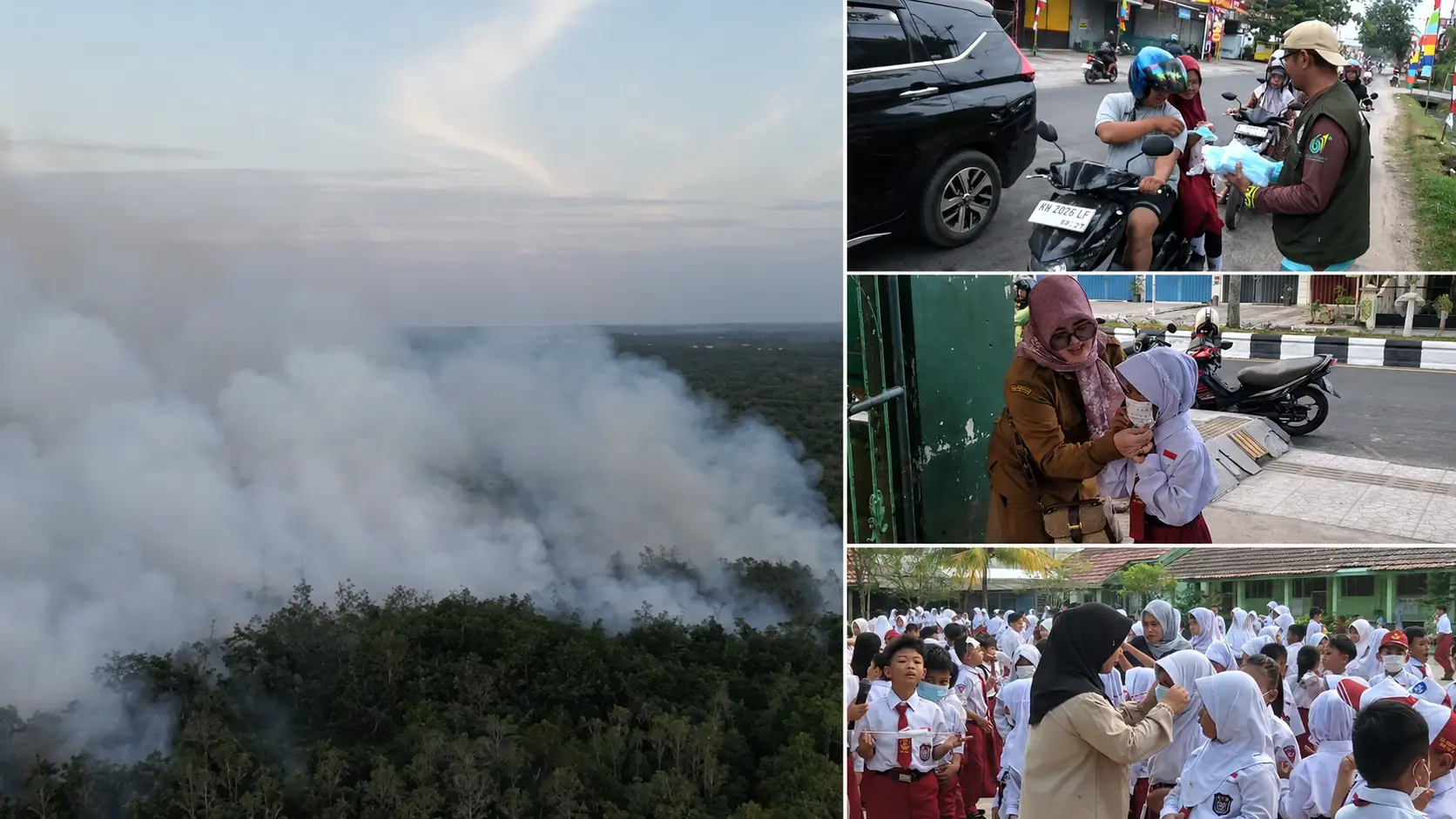
Meanwhile, fires have damaged more than 200 hectares of land. The East Kotawaringin Health Office responded by distributing 15,000 masks to residents and students.
These figures show that the wildfire impact has spread from peatlands into residential areas. However, the government still needs to disclose the ARI reporting period so the public can assess its connection with smoke exposure.
Fire Continues for Three Weeks
Eka Bahurui Village in Mentawa Baru Ketapang District has become one of the worst-hit areas. The fire has continued for three weeks, and crews have not fully extinguished it.
BPBD, Manggala Agni, military, and police personnel continue to control the flames. However, dry land, limited water sources, and underground peat fires have complicated their efforts.
Peat fires do not always appear above the surface. Instead, embers can remain underground and reignite when wind supplies more oxygen.
Consequently, firefighting crews need large volumes of water. They must also soak the deeper peat layers to prevent the flames from returning.
Fire Damage Exceeds 200 Hectares
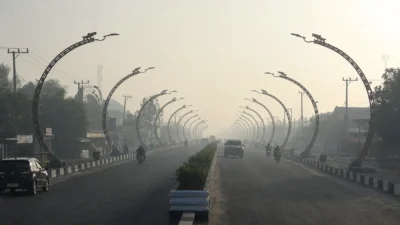
By Tuesday, July 28, 2026, forest and land fires had damaged more than 200 hectares across East Kotawaringin. The fires also produced smoke that began reaching residential areas.
The scale of the damage requires the government to release more detailed information. For example, residents need data on fire locations, landowners or operators, suspected causes, and containment progress.
Without those details, the 200-hectare figure only describes the scale of destruction. It does not identify responsible parties or reveal weaknesses in fire prevention.
Furthermore, the regional government must explain how officials calculated the figure. They should clarify whether they used field measurements, aerial mapping, or accumulated reports from firefighting teams.
ARI Cases Exceed 15,000
The East Kotawaringin Health Office recorded more than 15,000 residents with acute respiratory infections. Moreover, wildfire smoke may worsen conditions among children, older people, pregnant women, and residents with respiratory illnesses.
However, officials have not disclosed the reporting period behind the figure. The government has also not published the number of cases recorded before the haze appeared.
That comparison remains crucial for an objective assessment. Therefore, authorities should separate new cases, repeat visits, and patients with underlying medical conditions.
Without baseline data, the public cannot determine how sharply ARI cases have increased because of the wildfires. Transparency would also show whether the health response extends beyond mask distribution.
Health Office Distributes 15,000 Masks
The East Kotawaringin Health Office distributed masks to motorists and students at several schools. Officials prepared 12,000 masks for adults and another 3,000 for children.
Risky Saputra, an implementing officer at the East Kotawaringin Health Office, outlined the preventive action through mask distribution. In addition, the office advised residents to reduce outdoor activities when the haze becomes thicker.
Mask distribution provides an important emergency measure. Nevertheless, the number of masks only matches the reported number of residents experiencing ARI.
Authorities must explain who received the masks and how teams managed the distribution. Furthermore, supplies should reach vulnerable groups and communities near the fire zones.
Diarrhoea Cases Also Increase
Besides ARI, the Health Office found an increase in diarrhoea cases. Officials consequently urged residents to maintain personal, food, water, and environmental hygiene.
Still, the office has not disclosed the number of cases or the size of the increase. Authorities need to publish those figures so residents can understand the scale and geographical reach of the threat.
The government cannot rely solely on public health warnings. Instead, relevant agencies must secure clean water, medical services, medicines, and protection for vulnerable groups.
Finally, wildfires have damaged more than 200 hectares and harmed the health of thousands of residents. The government must stop the fires, publish regular health data, and ensure its response reaches communities facing the greatest risk.